

Homeopathic Treatment: Realistic Timelines and Results
- Mar 17, 2026
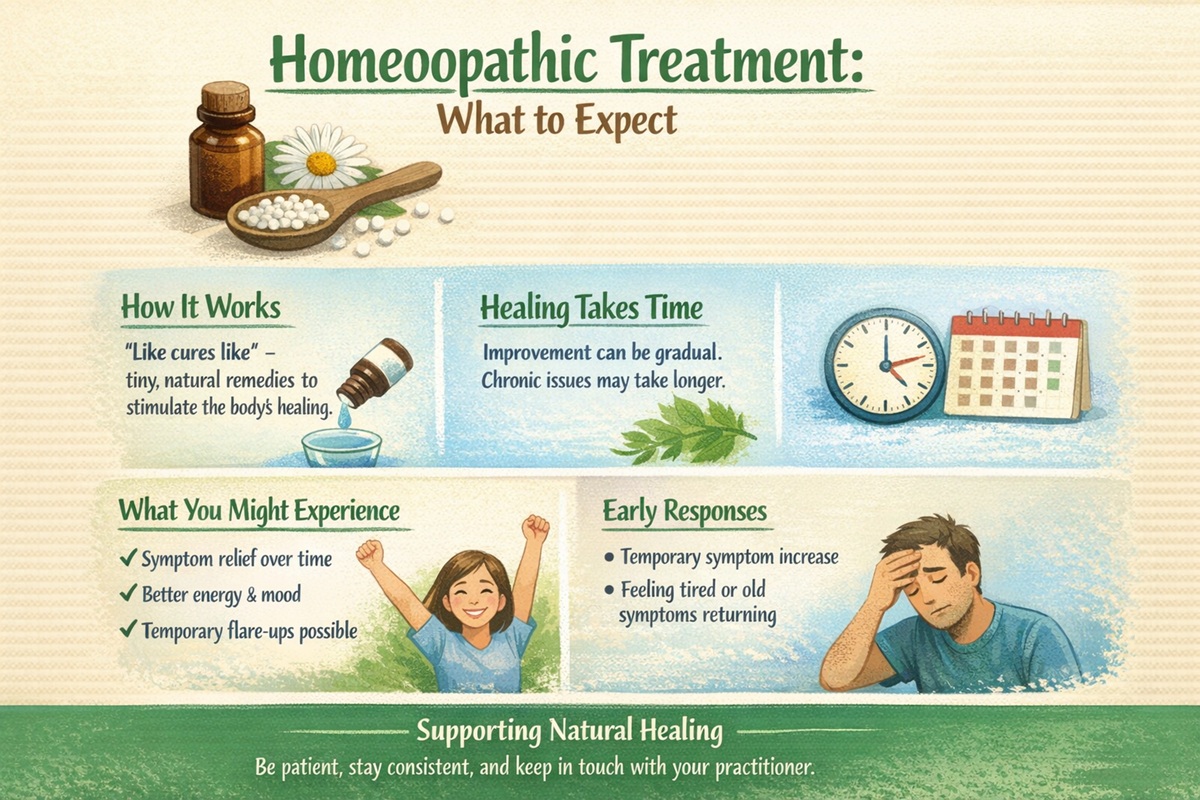
Homeopathy is a system of medicine that focuses on stimulating the body’s natural healing ability by addressing the underlying imbalances believed to cause illnesses.
Understanding timelines and expected outcomes can help patients approach homeopathic treatment with realistic expectations.
How Homeopathy Works
Homeopathy is based on the principle of “like cures like”, meaning an element that causes signs of illness in a healthy person may, when diluted and prepared in specific ways, help relieve those same symptoms in someone who is ill.
Homeopathic practitioners typically conduct a detailed consultation that may include questions about:
- Physical symptoms
- Emotional and mental health
- Lifestyle and habits
- Sleep patterns and diet
- Personal medical history
The goal is to identify a remedy that matches the individual’s overall symptom profile. Because treatment is highly personalised, two people with the same medical condition may receive different remedies.
Why Homeopathic Treatment Often Takes Time
One of the defining features of homeopathy is that it aims to support the body’s natural healing processes rather than provide immediate symptom suppression. As a result, treatment timelines can be longer compared to conventional medications.
Several factors influence how quickly results may appear:
- The duration of the condition
- The patient’s overall health and immune response
- Lifestyle and environmental influences
- Consistency in following treatment recommendations
In general, conditions that have developed over many years may take longer to improve than recent or acute issues.
Don’t Miss This: How Homeopathic Remedies Work
What Results Patients Can Expect
Homeopathic treatment aims to support long-term health improvement rather than simply mask symptoms. When treatment is effective, patients may notice several types of changes.
- Symptom Reduction: The severity, frequency, or duration of symptoms may decrease gradually.
- Improved Overall Well-Being: Patients often report improvements in energy, mood, sleep quality, and stress tolerance.
- Fewer Recurrences: Chronic conditions may flare up less often over time.
- Balanced Health: Because homeopathy considers physical and emotional health together, treatment may contribute to a broader sense of balance.
However, responses can vary widely, and results depend on many individual factors.
Possible Initial Responses
Some patients report temporary changes early in treatment, sometimes referred to as a “healing response”.
These may include:
- Temporary intensification of existing symptoms
- Brief return of older symptoms
- Increased fatigue or mild discomfort before improvement
Practitioners interpret these responses differently depending on the individual case. Monitoring and communication with the practitioner help ensure treatment is progressing appropriately.
The Natural Way to Better Health
Homeopathic treatment is generally designed to work gradually by supporting the body’s natural healing processes. While acute conditions may improve relatively quickly, chronic health concerns often require patience and ongoing care.
Realistic expectations, consistent follow-ups, and open communication with a qualified practitioner can help patients better understand the progress of treatment and achieve meaningful improvements in overall health and well-being.
Don’t Miss These Important Answers
1. How long does homeopathic treatment take to work?
Homeopathy usually works gradually. Acute conditions may improve quickly, while chronic issues can take weeks or months depending on the condition, overall health, and treatment consistency.
2. Why does homeopathy take time to show results?
Homeopathy focuses on stimulating the body’s natural healing rather than suppressing symptoms. This process takes time as the body adjusts and restores balance internally.
3. What results can patients expect from homeopathic treatment?
Patients may notice reduced symptoms, better energy levels, improved sleep, and overall well-being. Results typically develop gradually and focus on long-term health improvement.
4. Can symptoms get worse before improving in homeopathy?
Some patients may experience temporary intensification of symptoms or mild discomfort early in treatment. This is often monitored closely to ensure proper progress.
5. Is homeopathy effective for chronic conditions?
Homeopathy can support long-term improvement in chronic conditions, but results vary. Consistent treatment and follow-ups are important for better outcomes.
6. What factors affect how quickly homeopathy works?
Factors include the duration of the illness, overall health, lifestyle, immune response, and how consistently treatment recommendations are followed.
7. Do two patients receive the same homeopathic treatment?
Not always. Homeopathy is highly personalized, so two people with the same condition may receive different remedies based on their symptoms and health profile.
8. How can patients get the best results from homeopathy?
Following the treatment plan, maintaining regular consultations, and communicating changes with the practitioner can help improve outcomes and ensure steady progress.