

Psychosynthesis Therapy: A Holistic Approach to Mental and Spiritual Wellness
- May 21, 2026
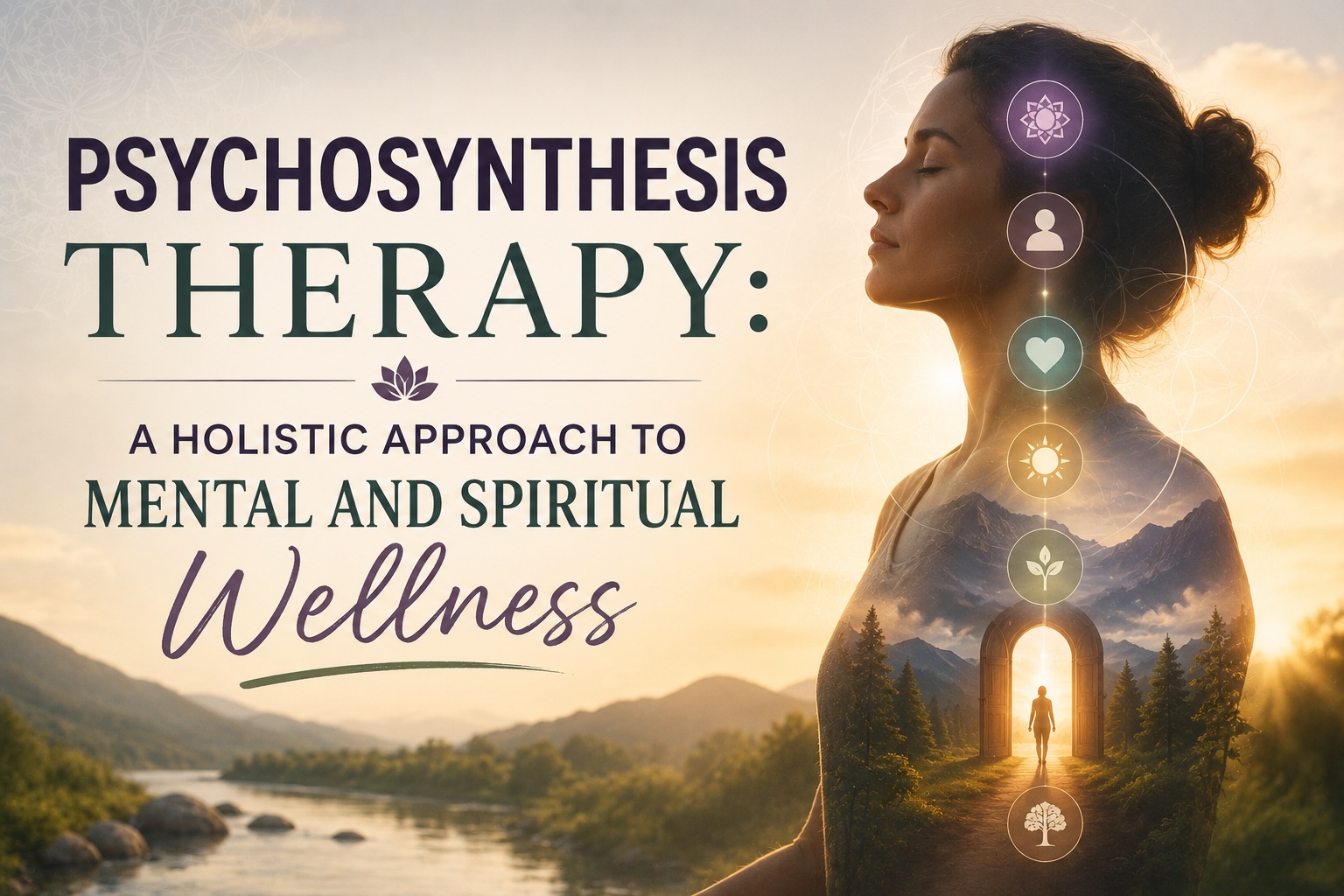
Psychosynthesis therapy is a holistic approach to mental wellness that focuses on healing the whole person, mind, body, emotions, and spirit. Rather than only treating symptoms, it helps individuals achieve deeper self-understanding, emotional balance, and personal growth by integrating all aspects of the self into a more harmonious whole.
Core Principles of Psychosynthesis
Psychosynthesis therapy is built on several key principles:
- Integration of Parts: People often experience conflicting emotions, thoughts, or internal roles such as the inner critic, perfectionist, or people pleaser. Therapy helps bring these parts into balance and reduces inner conflict.
- Connection to the Higher Self: Beyond everyday personality exists a deeper, wiser self that supports clarity, creativity, and spiritual awareness.
- Personal Growth and Self-Actualization: Psychosynthesis focuses not only on healing emotional pain but also on helping individuals reach their full potential.
- Mind-Body-Spirit Connection:Emotional struggles can affect physical and spiritual well-being, so healing must address the whole person.
How Psychosynthesis Therapy Works
Psychosynthesis therapy is collaborative and personalized. Sessions often begin with exploring a client’s life experiences, relationships, values, challenges, and strengths.
Therapy may also include:
- Guided imagery and visualization
- Mindfulness and meditation
- Creative expression through writing or art
- Body awareness practices
- Dialogue exercises with different inner parts
Also Read: Find Out How to Rewire Your Brain
The Journey Toward Wholeness
Psychosynthesis therapy typically begins with developing awareness of inner conflicts, emotional struggles, or feelings of disconnect. From there, individuals explore emotional patterns and different aspects of the self that may influence thoughts and behaviour. The therapy then focuses on integrating these conflicting inner parts to create greater harmony and balance.
Integrative Psychiatry and Holistic Care
Modern psychosynthesis is often combined with integrative psychiatry, blending holistic therapies with conventional medical care when needed. This may include:
- Medication management
- Nutritional support
- Mindfulness practices
- Energy-based therapies
- Lifestyle guidance
This balanced approach allows individuals to receive both scientific and holistic support tailored to their needs.
Who Can Benefit?
Psychosynthesis therapy may help people dealing with:
- Anxiety, depression, or trauma
- Addiction or co-dependency
- Self-doubt and inner conflict
- Major life transitions
- Spiritual disconnect
- A desire for personal growth and meaning
A Path to Authentic Living
At its core, psychosynthesis therapy is about becoming more fully yourself. It helps remove emotional barriers, heals unresolved wounds, and reconnects you with your authentic identity. By integrating psychological healing with spiritual insight, psychosynthesis offers a compassionate path toward inner peace, purpose, and lasting well-being.
Frequently Asked Questions
1. What is Psychosynthesis therapy?
Psychosynthesis therapy is a holistic therapeutic approach that focuses on emotional healing, self-awareness, and spiritual growth. It helps individuals integrate different aspects of themselves to create greater balance and inner harmony.
2. How is Psychosynthesis different from traditional therapy?
Unlike therapies that focus mainly on symptoms or diagnosis, Psychosynthesis also explores personal growth, purpose, creativity, and spiritual well-being alongside emotional healing.
3. Who can benefit from Psychosynthesis therapy?
Psychosynthesis therapy may help people experiencing anxiety, depression, trauma, self-doubt, life transitions, emotional conflict, or a desire for deeper meaning and personal growth.
4. What techniques are used in Psychosynthesis therapy?
Sessions may include mindfulness, guided imagery, meditation, creative expression, body awareness practices, and exercises that explore different inner emotional patterns.
5. Can Psychosynthesis therapy support spiritual wellness?
Yes. One of the core principles of Psychosynthesis is connecting with the deeper or “higher” self to support clarity, purpose, emotional balance, and spiritual awareness.
6. Is Psychosynthesis therapy combined with other treatments?
Modern Psychosynthesis is often integrated with holistic and medical support such as nutritional guidance, mindfulness practices, lifestyle changes, and medication management when needed.